
Swept Path Analysis
What is Swept Path Analysis ? Swept Path Analysis is a technical assessment used to demonstrate that vehicles can safely enter, exit, and manoeuvre within a site. It uses specialised software to simulate the movement of different vehicle types, such as refuse vehicles, delivery lorries, emergency vehicles, and construction traffic. This analysis helps ensure that […]
Pre-Redevelopment Audit
What is Pre-Redevelopment Audit ? A Pre-Redevelopment Audit is a survey carried out before demolition or refurbishment to identify the types and quantities of materials present within a building. It highlights opportunities for reuse and recycling, supports waste management planning, and helps clients achieve BREEAM credits and comply with environmental and planning requirements. WPSCC can […]
Understanding Environmental Impact Assessment in Construction
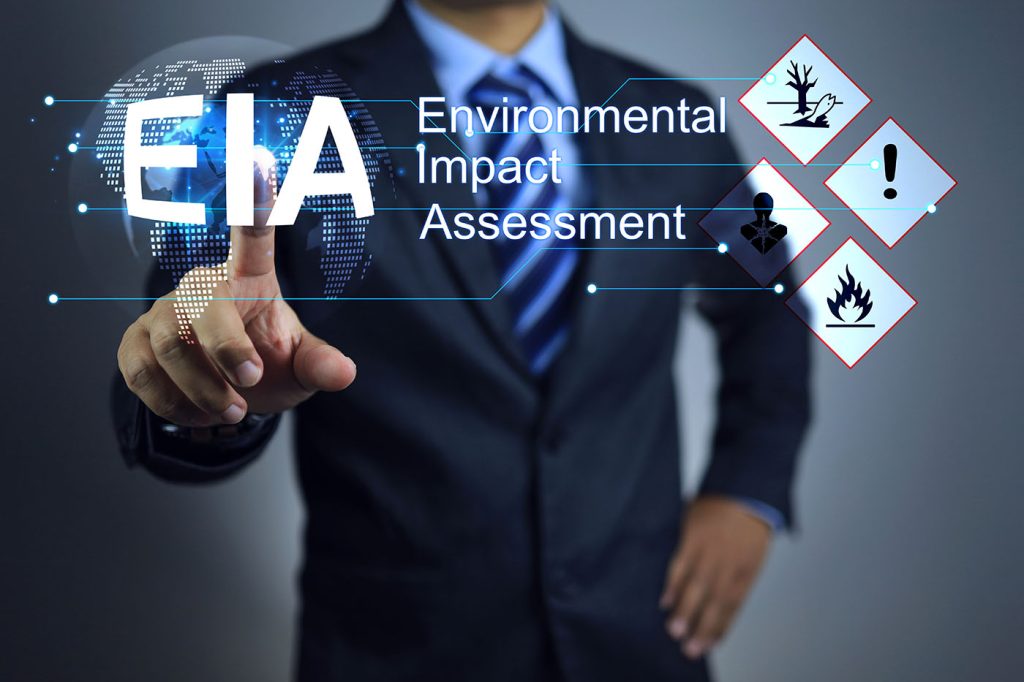
What is Environmental Impact Assessment (EIA)? EIA is a multi-staged process that evaluates the environmental impacts of a proposed project or development on the environment, people and society. Through EIA, measures to reduce or avoid impacts can be found in addition to finding reasonable alternatives to the project. The output of an EIA is an […]
How to achieve BREEAM accreditation for your project

What is BREEAM? BREEAM is the Building Research Establishment Environmental Assessment Method, utilised in master planning projects, buildings, and infrastructure. This sustainability assessment method was established in 1990 by the Building Research Establishment (BRE) and can be applied to refurbishment schemes or new developments. The standards for environmental performance of buildings through each phase of […]
Are Site Waste Management Plans Still Required?

Site Waste Management Plan (SWMP) A Site Waste Management Plan (SWMP) is used to plan, implement, monitor and review waste minimization and management in construction and demolition sites. SWMP helps to describe the procedures by which wastes will be handled and lists the methods needed to minimize waste, responsibly manage produced waste, measure quantities and […]
BREEAM UK New Construction: Residential – Elevating Sustainability Standards

On April 16, 2025, the Building Research Establishment (BRE) launched BREEAM UK New Construction: Residential V6.1, replacing the Home Quality Mark (HQM). This update aligns residential sustainability assessments with BREEAM’s globally recognized standards. Highlights of BREEAM UK New Construction: Residential V6.1 Whole-Life Performance Approach: Assessing environmental, social, and economic sustainability from design through operation. Enhanced […]
Waste Charges Consultation: Understanding the Environment Agency’s Proposed Regulatory Changes

The Environment Agency has launched a consultation on new regulatory charges for specific waste activities, aiming to update and refine existing charging structures. These proposals, if approved, are set to take effect from April 2025, impacting waste management operators, businesses, and environmental stakeholders. The consultation, which began in November 2024, is designed to gather feedback […]
What Is A Pre Demolition Audit?
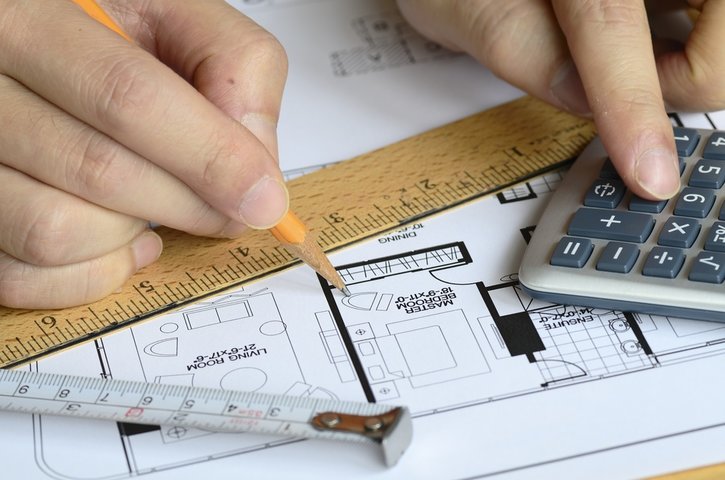
The purpose of a pre demolition audit is to reduce the environmental impact of construction by prioritising waste minimisation and diverting waste from landfills. They identify opportunities for reclamation, re-use and recycling from the demolition process. What Is A Pre Demolition Audit? The Pre Demolition methodology/approach was defined by The Institute of Civil Engineers (The […]
Environmental Management System
Whatever you want, from a simple Environment Policy to full blown EMS, we can do it. We will even simply audit what you have and recommend improvements. Also, everything can be branded to your requirements. What does an EMS do? An Environmental Management System (EMS) is a systematic approach that helps organisations identify, manage, monitor, […]
Environmental Permitting
Recent News & Case Studies Environmental Permitting When Do I Need A Permit? If a permit is required, an Application has to be submitted to either the Environment Agency or the Local Authority. You may need an environmental permit if you carry out an activity that could: > Pollute the air, water, […]